



Omnichannel Logistics
Seeing how many packages are delivered each year, it’s shocking just how fast supply chains are able to operate. The United Kingdom alone sent around 3.6 million parcels in the 2022/2023 fiscal year.
One of the things that contributes to this high level of efficiency is the implementation of omnichannel logistics.
But what is this? And how can you, as a savvy business owner, use omnichannel logistics to streamline your shipping process and make your customers your biggest fans?
This complete guide is here to answer those questions. We’ll give you the lowdown on all things omnichannel logistics and help turn your logistics operations into a powerhouse of efficiency and customer satisfaction. Let’s get started!
How Parcel2Go Helps Businesses
Parcel2Go lets you compare courier services based on your budget, product sizes, and shipping volumes.
Partnering with trusted parcel couriers like Royal Mail, Evri, DPD, and more, we offer a diverse range of delivery options for all shipping needs, ensuring you aren't limited to a single courier.
Whether you're sending small packages or large freight, we always provide convenient and cost-effective solutions for your business.Get started with Smart Send today to integrate your business shipping with multiple online marketplaces in minutes!
Understanding omnichannel logistics
Omnichannel logistics means managing and optimising the flow of goods, information, and services across your different sales channels and customer touchpoints.
It's about making sure everything runs smoothly, whether customers are shopping in-store with your POS system, online, or on your mobile app. This process is done by syncing inventory, order fulfilment, and communication systems across all of your channels.
Businesses that nail omnichannel logistics often see their sales go up a lot. That’s because when customers can easily switch between shopping on their phone, computer, social media platforms such as TikTok Shop, or even a nearby store, they're more likely to make a purchase.

Benefits of Streamlining The Shipping Process
Now that you’ve got an understanding of what omnichannel logistics is, let’s talk about why it’s a brilliant idea for you to implement.
Improved efficiency
Does your current shipping process involve multiple manual steps, paperwork flying everywhere, and constant back-and-forth communication with carriers?
Well, streamlining your shipping process by implementing omnichannel logistics can wave goodbye to all that chaos. With streamlined workflows, automation tools, and integrating systems, you'll be amazed at how much more smoothly everything runs.
Your customers’ orders can be processed faster, shipment details will be tracked effortlessly, and communication with carriers will become easy as pie.
This means no more wasted time or resources. Just pure, uninterrupted efficiency.
Cost savings
Streamlining your shipping process isn't just about making things run smoothly – it's also about saving money.
Every inefficiency in your shipping process is costing you cash. It costs money for those unnecessary delays and redelivery. It costs money when an item is damaged during transit, not to mention carrier fees.
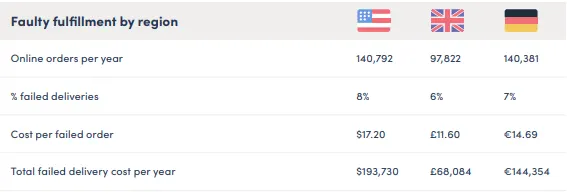
Research from Loquate shows that every inefficiency comes with a hefty price tag. They found that in the US, 8% of first-time deliveries fail, costing around $17.20 each. And in the UK, it's a 6% failure rate, with an average cost of £11.60 per failed delivery.
By streamlining your shipping operations, you can spot and get rid of these costly inefficiencies. For example, you can automate repetitive tasks, reducing the need for manual labour and saving your hard-earned money on wages. We’ll get onto some more strategies that you can implement to save some cash a little later.
Enhanced customer satisfaction
Have you ever ordered something online and anxiously waited for it to arrive, only to receive vague tracking updates or, worse, no updates at all? It can leave a negative impression on customers.
That said, with omnichannel logistics, businesses can provide a seamless and transparent shipping experience for their customers. Your customers will be able to track their order in real-time, from the second it leaves the warehouse to its arrival at your doorstep.
This level of visibility massively reduces anxiety for customers. It also helps to build trust and confidence in the brand and encourages them to shop from you again.
Challenges of Omnichannel Logistics
In this section, we'll mention some of the main omnichannel logistics challenges you need to consider, and we'll share some strategies to overcome them.
Synchronising data across channels
Customers expect a seamless experience whether they're browsing your website, visiting your shop, or perusing your offering on your mobile app. But making sure that all these channels are singing from the same hymn sheet isn’t always easy.
Suppose a customer sees one price online and a different one in-store. It's confusing and annoying, and it can erode trust in your brand.
To avoid these mishaps, you’ll need to invest in systems that allow for real-time data sharing and synchronisation across all channels. By getting everyone on the same page, you can give your customers a consistent and reliable experience, no matter where they choose to shop.
Stock visibility
When your best-selling products are flying off the shelves, it can sometimes be tough to keep track of inventory spread across various warehouses and stores. You need to know the status of all of your inventory, at all times.
This is especially true with the omnichannel approach. Traditionally, retailers dedicated inventory by channel, meaning they had little cross-channel visibility. But that’s not the case anymore. Today’s customers expect cheap or free delivery, and they want it fast.
Plus, with 99% of retailers saying they’ll offer same-day delivery by 2025, you’ll need to keep up if you want to stay competitive.
This increased demand puts immense pressure on business owners to maintain accurate stock visibility. Without it, you could risk stockouts, delayed shipments, and disappointed customers.
Managing costs of multiple channels
Sometimes, running a business can feel similar to juggling. You’ve got to keep all the balls in the air without dropping any. And, when it comes to managing costs across multiple channels, it’s no different.
Each channel comes with its own set of expenses, from your warehouse rentals to your shipping fees. Without careful planning and cost management, you could risk overspending and eating into your profits.
So, it’s really important to find ways to streamline your operations and optimise your costs across all channels. Otherwise, you’ll find yourself in a financial tight spot that you might find hard to get out of.
Strategies for Streamlining the Shipping Process
If you're looking to streamline your shipping process, you’re in luck. We've got key strategies that can help. From setting up a centralised inventory management system to harnessing the power of data analytics, we've got you covered.
Centralised inventory management
We mentioned earlier how tricky it can be to keep track of your inventory with an omnichannel approach. But, with the help of inventory tracking software, you can see exactly what you have in stock across all your sales channels in real-time.
This means no more guessing games or scrambling to find products. Everything is right there at your fingertips, making it easy to keep tabs on your inventory and prevent any surprises.
So, whether your customers are shopping online or in person, you'll always know what you have available and where it is.
Advanced technology solutions
Now, let's talk about advanced technology solutions, the second strategy you can use for streamlining the shipping process. Think of it as upgrading from an old school flip phone to the latest smartphone. Suddenly, everything becomes faster, smoother, and more efficient.
With advanced technology solutions, you can completely revolutionise your shipping process from top to bottom. Tech such as barcode scanning, RFID tagging, and warehouse automation tools work to eliminate manual errors and speed up processes.
So, whether you’re picking, packing, or shipping, advanced technology solutions can take your shipping process to the next level and deliver a seamless experience to your customers.
Optimised order fulfilment
Suppose you’ve got 1000 orders flying in from all directions – online, in-store, through mobile apps – after a sale you’ve just had on your best-selling product. You need to fulfil them quickly, and make sure you don't have any inaccuracies.
So how do you pull this off? Here are a few ways you can make the order fulfilment process easier:
Organise your warehouse space: You could consider implementing a layout that minimises travel time between picking locations, or even invest in shelving systems or storage solutions that optimise space usage.
Develop a streamlined picking process: This might involve grouping orders by location or product type to minimise backtracking and reduce picking errors. Make sure that your team has the tools they need to do this (we’re talking handheld scanners or picking carts) so that they can expedite the process.
Standardise your packaging materials and procedures: Train your team on proper packing techniques (especially for fragile items) so that they’re not damaged during transit.
Stay in close communication with your shipping partners: Provide them with accurate shipping information and keep track of shipment statuses to address any potential delays or issues proactively.
Data analytics and forecasting
How do you know that this is all working?
Simple. By using data analytics and forecasting to show you where you're at and where you're headed. ERP software is a powerful tool here, helping you gather information on everything from order processing times to inventory levels.
Identifying trends and patterns in this data lets you make a smart estimate of what’s going to happen next. You can figure out when you'll need more inventory or if there are any hiccups in your process that need fixing. This will help you stay one step ahead of other retailers and keep things running smoothly.
Final thoughts
When done right, omnichannel logistics can really benefit your business, saving you money, making your customers happy, and making your distribution process a lot more efficient.
Nonetheless, you definitely need the right technology in place to make it work. So, be sure to invest in robust inventory management systems, advanced order processing software, and efficient shipping solutions.
With the right tools and strategies in place, you'll be well-positioned to handle any omnichannel logistics complexities that come your way.