


Send a Parcel to Germany
Postage to Germany from £7.79

Ship To Germany With Parcel2Go
Our Services and Postage to Germany
Parcel2Go offers the most competitive rates for shipping to Germany, with delivery prices starting from £7.79. Customers can choose express services for next day delivery or economy shipping options for the most affordable way to send a parcel to Germany.
With both drop off and collection services available, parcels can be dispatched conveniently from thousands of UK drop off locations or collected from the comfort of your own home or business address for seamless door-to-door delivery.
Before Sending a Parcel to Germany
When sending a parcel from the UK to Germany, Parcel2Go provides all the necessary customs paperwork as part of the booking process. However, it remains important to review Germany’s customs regulations to avoid sending any restricted or prohibited items that could delay delivery. Planning shipments around Germany’s non-working days (Saturday and Sunday) and public holidays can help ensure faster transit times and reduce the risk of delays at customs or during courier processing.
Cheapest Parcel Delivery to Germany
To send a parcel to Germany, use our quick quote and compare the shipping prices. Parcel2Go offers affordable delivery services to major cities across Germany, including Berlin, Munich, Hamburg, Frankfurt, and Cologne, with options to suit every budget and timescale. At Parcel2Go, we won't be beaten on price with our Lowest Price Guarantee.

Business Shipping to Germany
Parcel2Go provides tailored shipping solutions to help businesses send parcels to Germany. Whether dispatching individual orders or managing bulk shipments, businesses can choose from a range of trusted couriers, with options for next day delivery to major cities Berlin, Munich, and Frankfurt.
Businesses can streamline their shipping processes with Smart Send, Parcel2Go’s automated shipping tool. Smart Send integrates with platforms like Etsy, eBay, Amazon, and others, allowing businesses to automatically import orders, manage bulk shipments, and generate labels quickly. As well as having access to 24/7 customer service to answer any questions. Additional guidance is available through Parcel2Go’s International Shipping Hub, a dedicated resource centre offering expert advice on international deliveries.

Our International Services to Germany

Customs and Posting to Germany After Brexit
Since July 1st 2021, anything you send to Germany from the UK will be subject to EU VAT unless it is a gift up to the value of £38*/€45 (the value for gifts includes the cost of shipping). For example, if you send a book that costs £10 and shipping costs you £7.33, the total value is £17.33 - so you won’t have to pay EU VAT. Find out more about sending gifts to the EU.
And if the total value of your shipment to Germany costs more than £39 or you’re sending directly from a marketplace such as Amazon or Ebay, your parcel to Germany will be subject to a VAT rate of 19%.
*GBP rate may fluctuate as conversion rates change

Our Top Tip
We explain everything you need to know about shipping to a country in the EU in our international shipping hub, where you can also find information on shipping to Germany as a business sender.

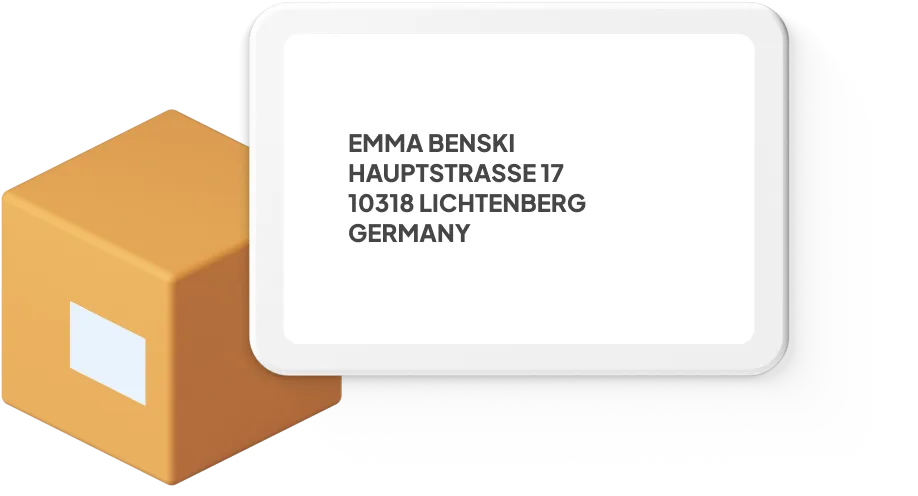
Germany Address Format
Our Top Tip: If you’re not sure how to address a parcel to Germany, it’s good to know that Germany can be strict about address formatting. So make sure you:
Put the house number after the street name
Put the 5 digit post code before the town name
Write ‘GERMANY’ in caps under the address
Like this:
EMMA BENSKI
HAUPTSTRASSE 17
10318 LICHTENBERG
GERMANY
Top Couriers for Posting to Germany
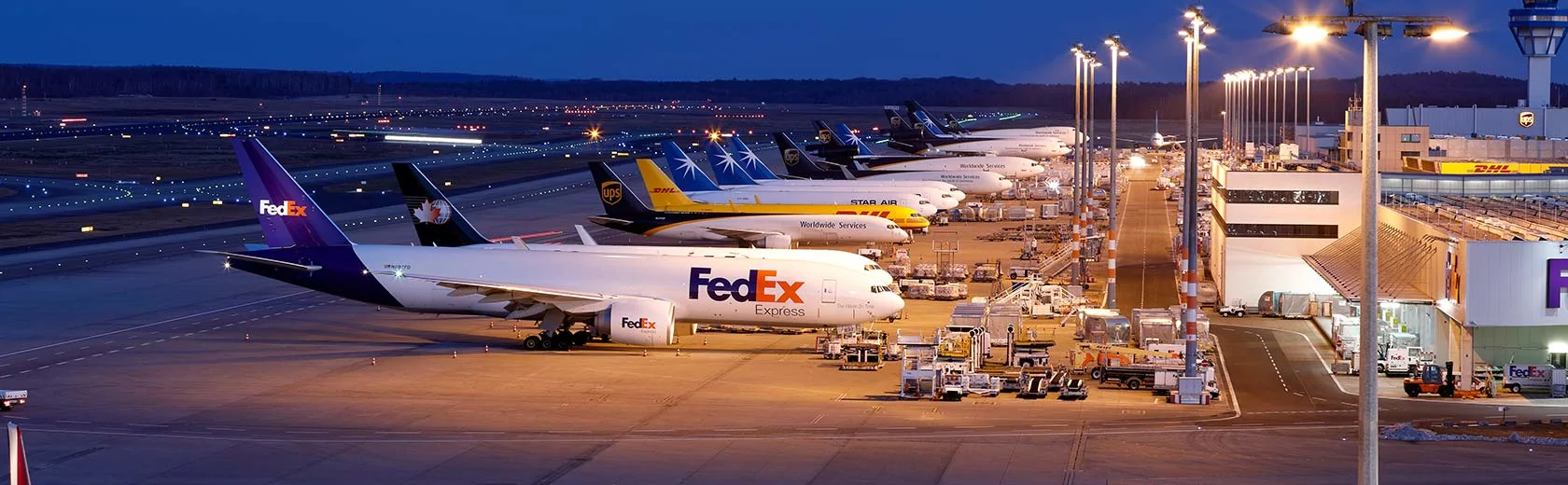
With Parcel2Go it’s easy to find the cheapest postage to Germany without compromising on a quality service. We compare the prices of UK’s best couriers, including Royal Mail, DPD and UPS so you can find the delivery service you need at the best price.



International Parcel Tracking and Protection
Send a parcel to Germany and have peace of mind that free tracking is included with every international delivery at Parcel2Go. And our Lowest Price Guarantee means you can be sure on price too.
It’s good to know that almost all couriers we work with include a minimum of £20 parcel protection with the shipping price, which will cover you against loss and damage. And some couriers, like Royal Mail, offer £50 protection as standard. If that’s not enough to cover your items, rest easy knowing you can add up to £10,000 parcel protection on top.
Please note that certain items won’t be covered for loss and damage by every courier, so make sure you check our prohibited items list before shipping to Germany.




GPSR: Updated General Product Safety Regulations
As of 13th December 2024, new regulations have been introduced to enhance product safety for consumers and provide clearer guidelines for businesses shipping to the EU and NI. The question on most peoples mind is Does GPSR Apply to Me?
The key change for UK-based businesses and online sellers is the requirement to appoint a ‘responsible person’ based in the EU or NI. This individual is responsible for overseeing compliance and product safety requirements. Additionally, all packaging must adhere to GPSR labelling regulations.
Frequently Asked Questions
What’s the cheapest way to send a parcel to Germany?
The cheapest way to send a parcel to Germany is by comparing courier services through Parcel2Go’s price comparison tool. Economy delivery services typically offer the lowest rates, with prices starting from £7.79 for small parcels. Couriers such as Evri, Royal Mail International, and other economy providers offer cost-effective options for sending parcels from the UK to Germany. To secure the best price, it is recommended to book in advance, select a drop off service where possible, and ensure that the parcel is packaged efficiently to avoid excess size or weight charges.
How long does a parcel to Germany take to arrive from the UK?
If you choose express shipping to Germany, your parcel could arrive within just 1-3 days. But we offer a range of options if you’re in no rush or you’re looking for more affordable postage.
We always recommend reading the fine print because some services will arrive much quicker for a similar price to economy services - for example, Royal Mail International Tracked starts from just £8.15 and your parcel could arrive in just 3-5 business days.
What items can I not send to Germany by shipping?
Some items are prohibited from shipping to Germany include:
Batteries
Plants and flowers
Drugs including prescribed and over the counter medicines
Fresh foods (anything that has a limited shelf life)
Toy weapons
Video games
Liquids and creams
Aerosols
Here’s a full list of restricted items to Germany (make sure you choose Germany from the first drop down menu). Different couriers handle different prohibited items, so make sure you filter by your courier of choice too.
If you’re still not sure, you can contact HM Revenue and Customers and they can answer your questions on shipping to Germany from the UK.
Can I track my parcel to Germany?
All parcels booked through Parcel2Go include free tracking as standard. Customers can monitor their parcel’s journey from the UK to Germany through the tracking number provided at the time of booking, with updates available at each stage of transit.
When is the best time to send a parcel to Germany?
The best time to send a parcel to Germany is during the working week, from Monday to Thursday, to avoid delays caused by weekends and non-working days. Sending early in the week gives parcels a better chance of clearing through courier networks without interruption. It is also important to plan ahead during peak periods such as Christmas, Black Friday, and other major holidays.
Which couriers send a parcel to Germany?
Parcel2Go partners with a wide range of trusted couriers. Customers can choose from well-known providers such as Royal Mail International, Evri, DPD, DHL, UPS, and Parcelforce Worldwide. Each courier offers multiple services, from economy shipping for cost-effective delivery to express options for faster transit times. Using Parcel2Go’s comparison tool filters allows customers to easily select the best courier based on their budget, preferred delivery speed, and parcel requirements.